Modernize PowerBuilder applications into secure, cloud-based web platforms


Legacy Desktop
Outdated UI/UX
Desktop-only interface
Non-responsive screens
High operational friction
Modern Web

[OK] Modern UI/UX
[OK] Universal browser access
[OK] Mobile-ready
[OK] Faster onboarding
Our PowerBuilder Modernization Approach

CTO, RST Software
What We Do: Core-Level Modernization
We transform PowerBuilder desktop systems into cloud-native web applications built for long-term maintainability, scalability, and continuous evolution.
How We Do It: Phased Engineering & Automation
We combine specialized PowerBuilder code analysis, architectural planning, phased delivery, automated quality gates, and modern web engineering.
Why It Works: Focus on Embedded Business Logic
"Generic software vendors just rebuild UI screens. We focus on extracting and safely migrating the complex business logic hidden deep inside PowerBuilder monoliths.


RST Software successfully transformed our legacy PowerBuilder system into a modern, cloud-native web platform. Their team delivered the migration seamlessly—improving system performance, scalability, and UX while preserving 100% of our core business logic.
Start with a PowerBuilder Modernization Assessment
Our assessment is the recommended first step for organizations modernizing complex PowerBuilder systems. Gain full visibility into your current architecture, uncover hidden risks, and map out the safest migration path.
During the PowerBuilder Assessment
What You Receive From the Assessment
How AI Accelerates PowerBuilder Modernization
AI streamlines discovery, architectural analysis, documentation, and engineering workflows—always governed by a structured, engineer-led process.
Legacy code analysis
Dependency mapping
Architecture decomposition
Complexity scoring
Structured code generation
Acceptance criteria support
Refactoring workflows
Context-aware review support
Regression monitoring
Documentation synchronization
Test scaffolding
Quality enforcement
Better effort estimation
Module prioritization
Migration path definition
Architecture trade-off visibility
AI tools alone do not modernize critical systems. Every AI-generated output is reviewed and owned by engineers who specialize in PowerBuilder migration. AI accelerates our work — it does not replace the judgement, accountability, or domain knowledge that complex migrations require.
Legacy code analysis
Dependency mapping
Architecture decomposition
Complexity scoring
Structured code generation
Acceptance criteria support
Refactoring workflows
Context-aware review support
Better effort estimation
Module prioritization
Migration path definition
Architecture trade-off visibility
Regression monitoring
Documentation synchronization
Test scaffolding
Quality enforcement
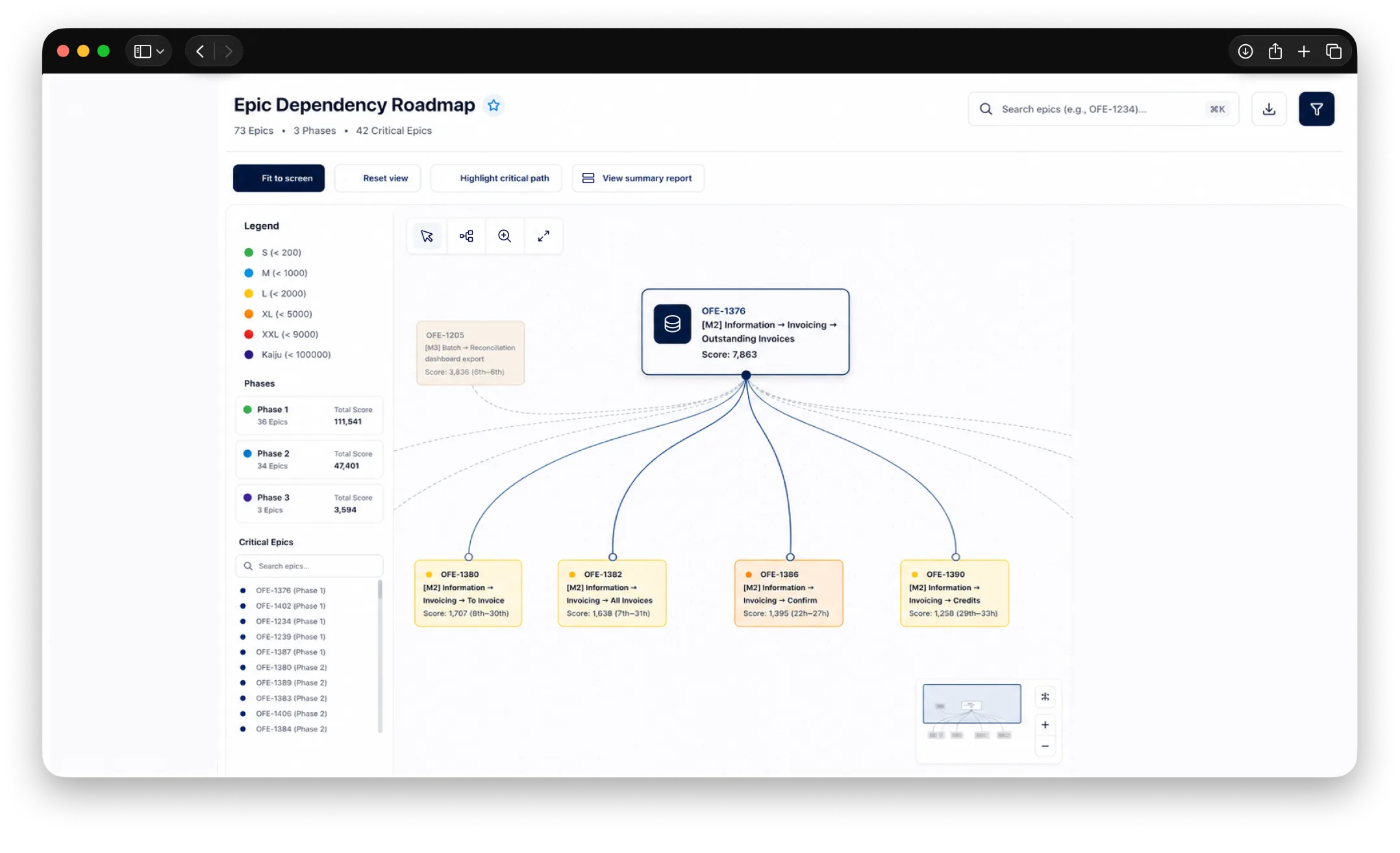
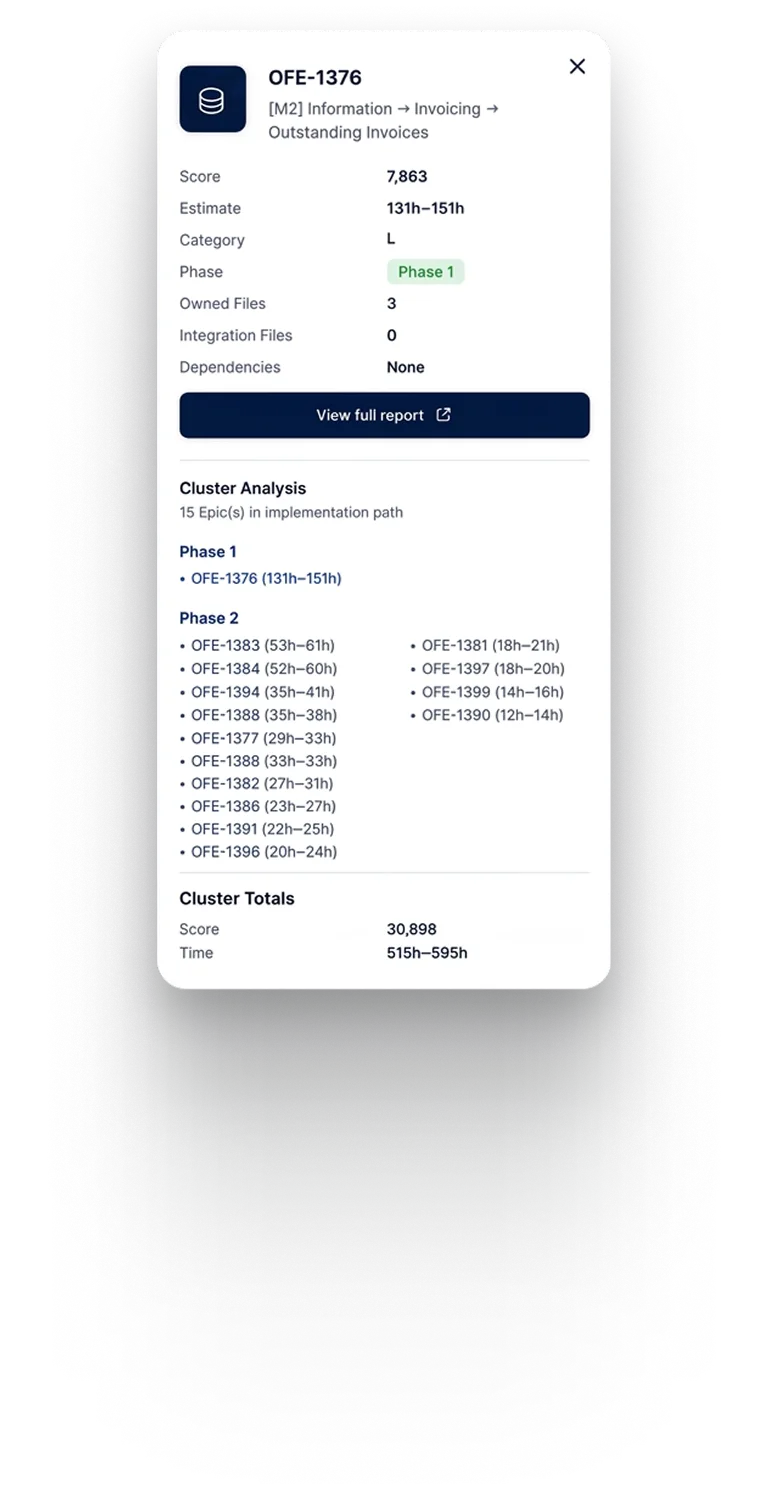
An AI-Powered Platform to Decode Your Legacy System in Minutes
Analyze PowerBuilder codebases, uncover hidden dependencies, and architect safe modernizations—eliminating guesswork and regression risk.

Discover the Safest Path to PowerBuilder Modernization



Frequently Asked Questions
Common signs include a desktop-only, non-responsive interface, high operational friction, hidden business logic buried in complex dependencies, outdated documentation, key-person dependency on legacy talent, and fragile workarounds — all while the system remains too mission-critical to simply replace.
Rather than rebuilding UI screens like generic vendors, RST focuses on extracting and safely migrating the complex business logic hidden deep inside PowerBuilder monoliths — analyzing codebase and database dependencies first, then documenting business rules before any migration work begins.
The assessment analyzes codebase architecture and system structure, identifies dependencies and complexity hotspots, uncovers hidden business logic and tight coupling, and evaluates migration constraints. It delivers an architecture and dependency map, a risk analysis, target architecture recommendations, a pilot proposal, and a phased modernization roadmap.
Yes. RST migrates one representative core module first as a pilot to validate the target architecture, then systematically extracts and migrates business capabilities in phases — backed by automated regression testing — rather than replacing the entire mission-critical system at once.
This service is built for organizations whose PowerBuilder system powers core ERP, finance, operations, or logistics workflows and is too mission-critical for a high-risk "big bang" rebuild. It's the right fit when feature delivery is slow or costly due to dwindling legacy PowerBuilder talent, stakeholders demand modern web access and API integrations, and you need a strategic modernization partner rather than generic staff augmentation.