Analyze Codebases, Map Hidden Dependencies, and Generate Production-Ready Specifications
Transform complex legacy architecture into actionable, up-to-date documentation—accelerating modernization while eliminating architectural risk.

RST modernization platform
How It Works
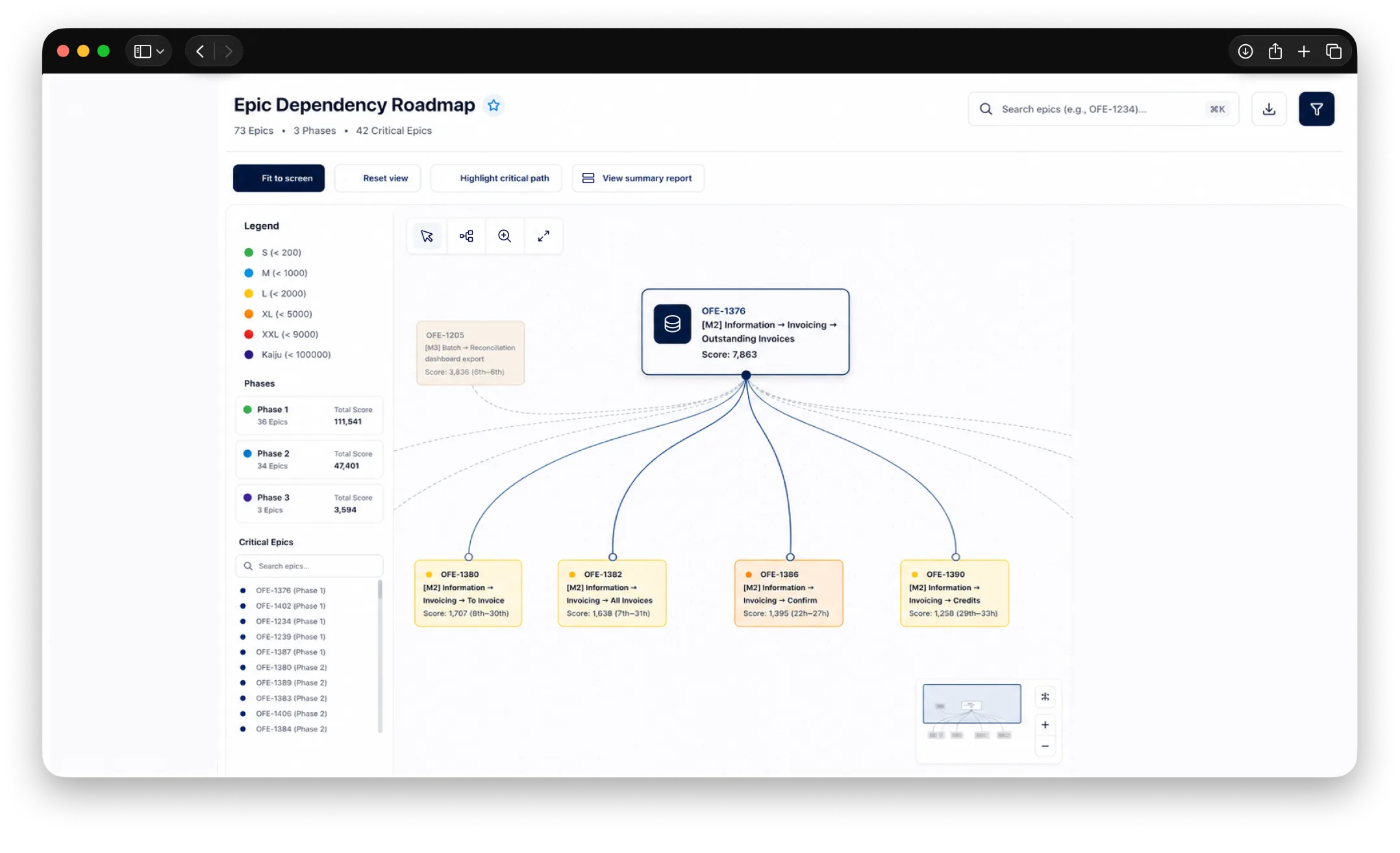
Code & Dependency Analysis
Our proprietary engine scans your codebase and constructs a complete map of your software architecture.
Automated detection of:
- Inter-module dependencies
- Embedded SQL queries & stored procedures
- Business logic embedded within database layers
- Tightly coupled architectural components
Result: An actionable architectural blueprint of your legacy system.
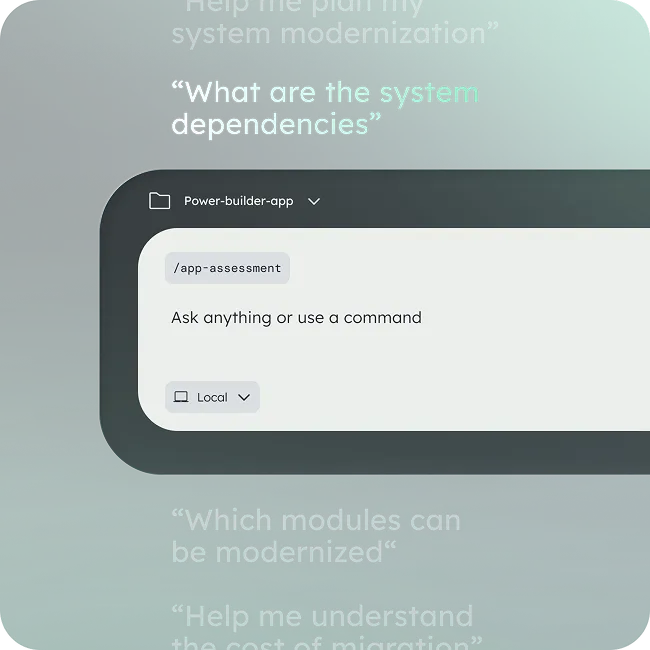
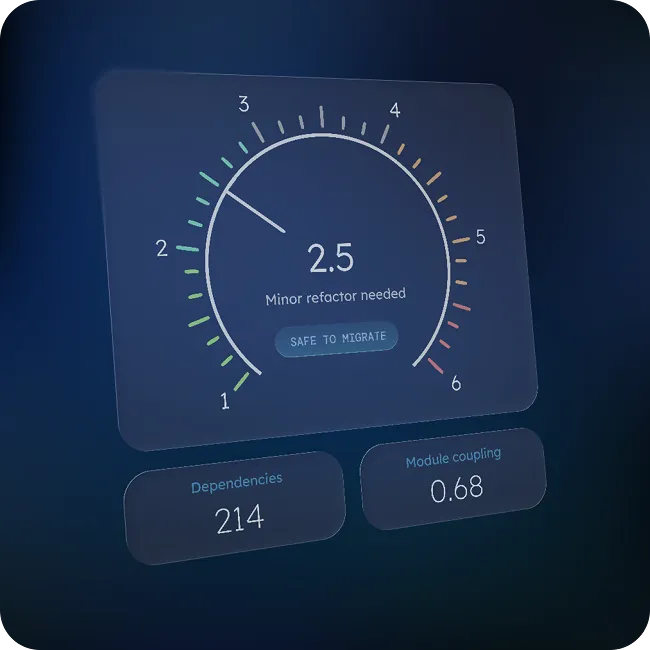
Data-Driven Complexity Assessment
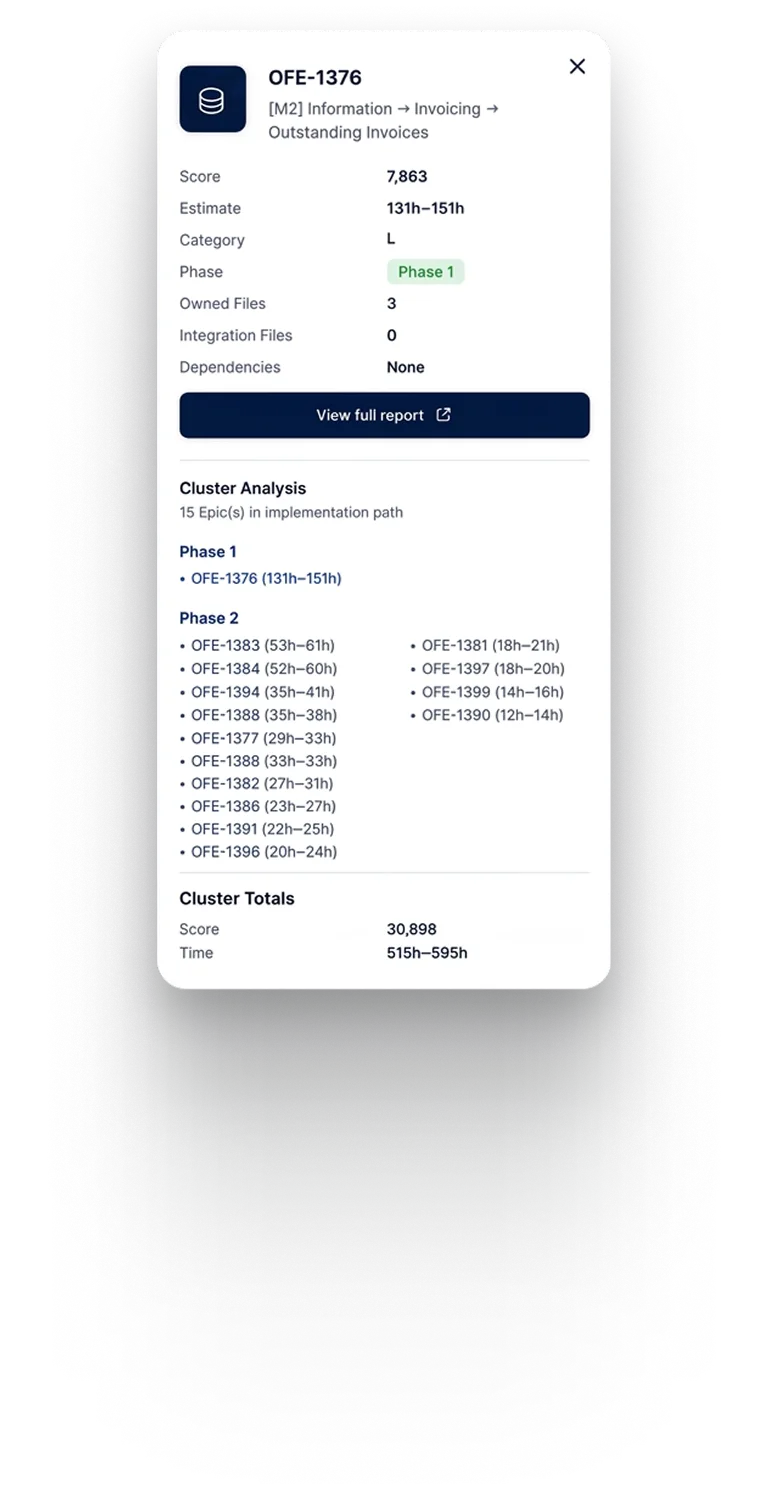
Quantify system complexity at the module level to generate precise risk and effort scores.
Instantly identify:
- Low-risk modules eligible for immediate migration
- Components requiring architectural refactoring
- Critical hotspots with heavy technical debt
Result: Predictable budgeting, precise timelines, and fully scoped engineering effort.
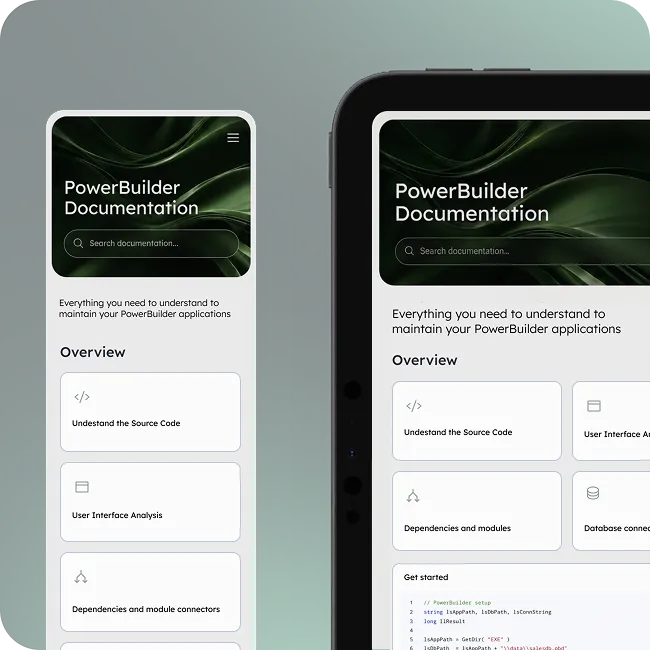
Automated System Documentation
The platform generates living technical documentation by analyzing:
- Source code & component architecture
- UI flows & user navigation logic
- Inter-module & database dependencies
Result: Transforms a legacy "black box" into a transparent, fully maintainable system.
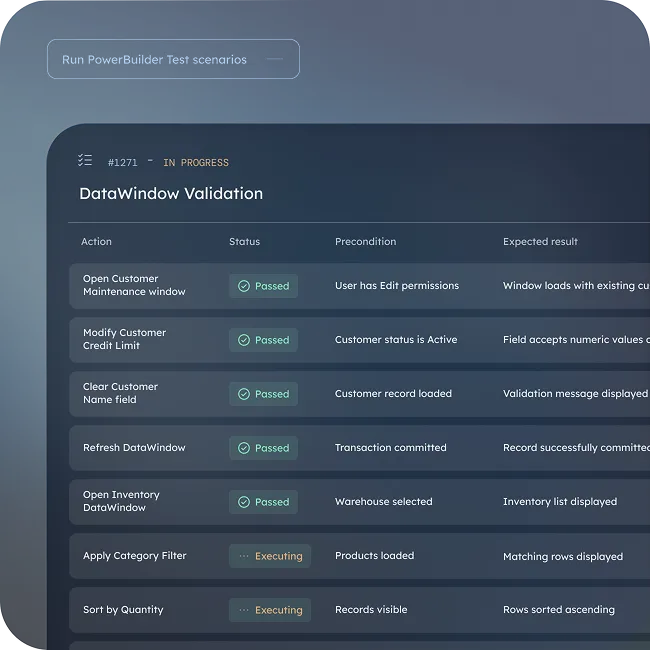
Automated Test Scenarios
Our AI engine analyzes application logic to generate:
- Comprehensive test cases
- Validated acceptance criteria & edge cases
- Automated test suites & execution scripts
Result: Guarantees 100% business logic parity between legacy and target systems.
Who Benefits Most from RST CodeLens?

Delivery Manager
RST Software
We engineered this platform specifically for teams struggling with complex, mission-critical software. It delivers the highest ROI for organizations managing:
Ready to Modernize Your Enterprise Applications?
Frequently Asked Questions
RST CodeLens scans the codebase and automatically detects inter-module dependencies, embedded SQL queries and stored procedures, and business logic embedded within the database layer, constructing a complete architectural blueprint of the system.
It generates living technical documentation by analyzing source code and component architecture, UI flows and navigation logic, and inter-module and database dependencies — turning a legacy "black box" into a transparent, maintainable system.
The platform quantifies system complexity at the module level, producing precise risk and effort scores that identify low-risk modules ready for immediate migration versus critical hotspots with heavy technical debt, enabling predictable budgeting and fully scoped engineering effort.
RST CodeLens delivers the most value for large-scale PowerBuilder, Java, Angular, or Ruby on Rails applications — typically monolithic codebases exceeding 200,000 lines of code, systems reliant on complex SQL stored procedures, and long-standing systems with missing or obsolete documentation.
It analyzes application logic to generate comprehensive test cases, validated acceptance criteria and edge cases, and automated test suites and execution scripts — guaranteeing 100% business logic parity between the legacy and target systems.