Application Modernization Without Operational Risk
From legacy monoliths to high-performance software, we transform complex, rigid systems into flexible, cloud-ready applications built for growth.



A Proven Path from Legacy System Assessment to Scalable AI Solutions
A structured four-phase approach that helps organizations validate ideas quickly, scale safely, and deliver measurable business value.
Assessment
Analyze architecture, map dependencies, and define the modernization blueprint.
Proof of Value
Validate the modernization model on a single production module.
Phased Rollout
Scale validated patterns across core systems with zero operational downtime.
Adoption
Transfer full code sovereignty while driving active adoption and measurable business value.
Cut technical debt, increase delivery speed, and unlock innovation with AI-enhanced engineering practices.
Framework-Guided, Phased Modernization for Mission-Critical Systems
We move beyond slow, manual application rewrites.
Our methodology is built on five engineering pillars that guarantee speed, quality, and controlled operational risk.
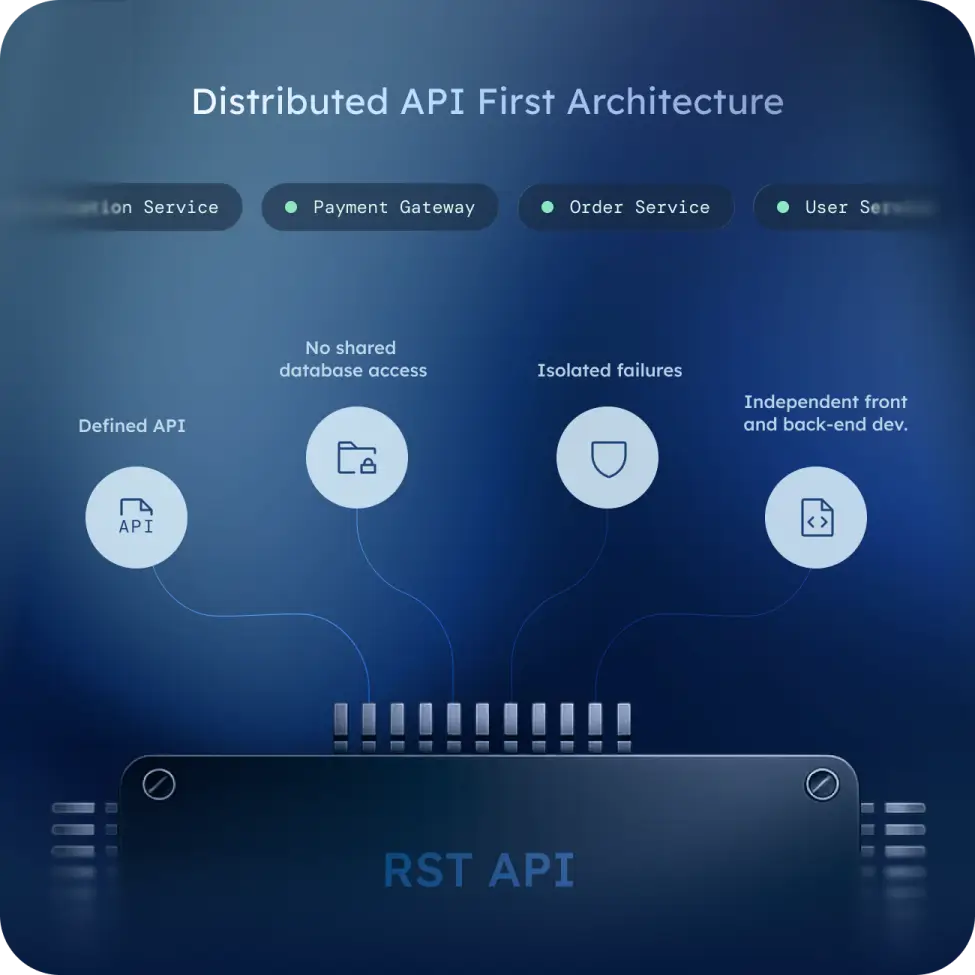
Distributed, API-First Architecture
We decouple rigid monoliths into independent services connected through APIs—eliminating fragile point-to-point dependencies.
This pattern eliminates single points of failure, increases scalability, and restores engineering velocity.
AI-Native Engineering
Manual system rewrites are obsolete. Our AI-native engine accelerates code transformation, test generation, and refactoring—dramatically reducing cycle times and operational risk.
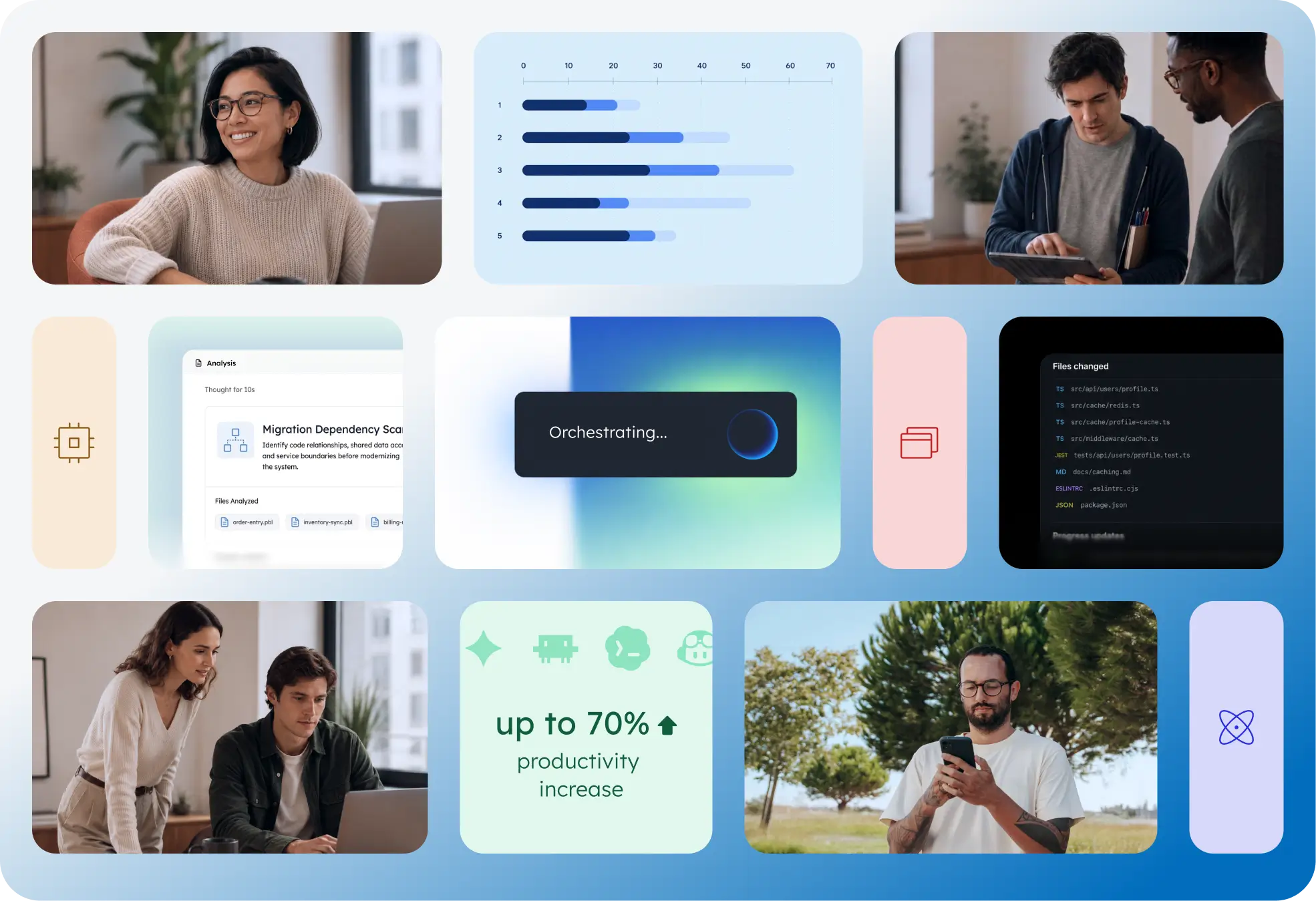
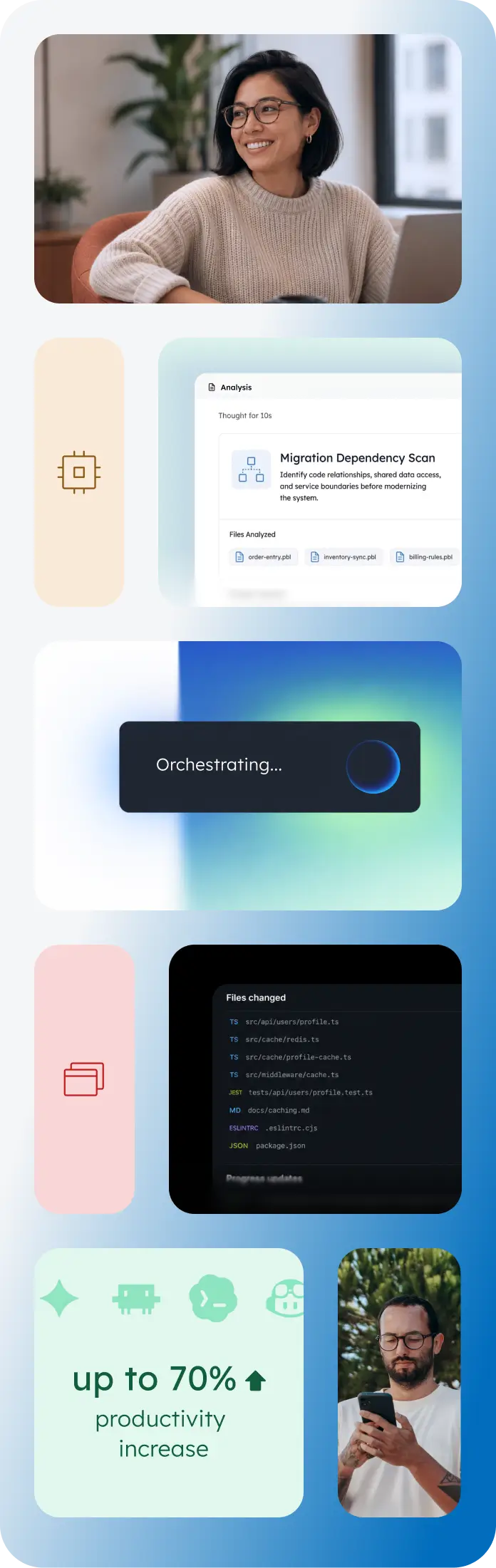
The role of the software engineer evolves. Instead of writing every line manually, our senior developers orchestrate AI agents for repetitive coding and test generation—focusing human intelligence on architecture, business logic, and system quality.
By combining enterprise agentic workflows with modern AI tooling, our engineering teams achieve throughput increases often exceeding 70% compared to traditional delivery.
AI generates the code; our senior engineers validate business logic, security compliance, and architectural integrity. Automation drives speed—human expertise guarantees reliability.
Automated Delivery &
CI/CD Pipelines
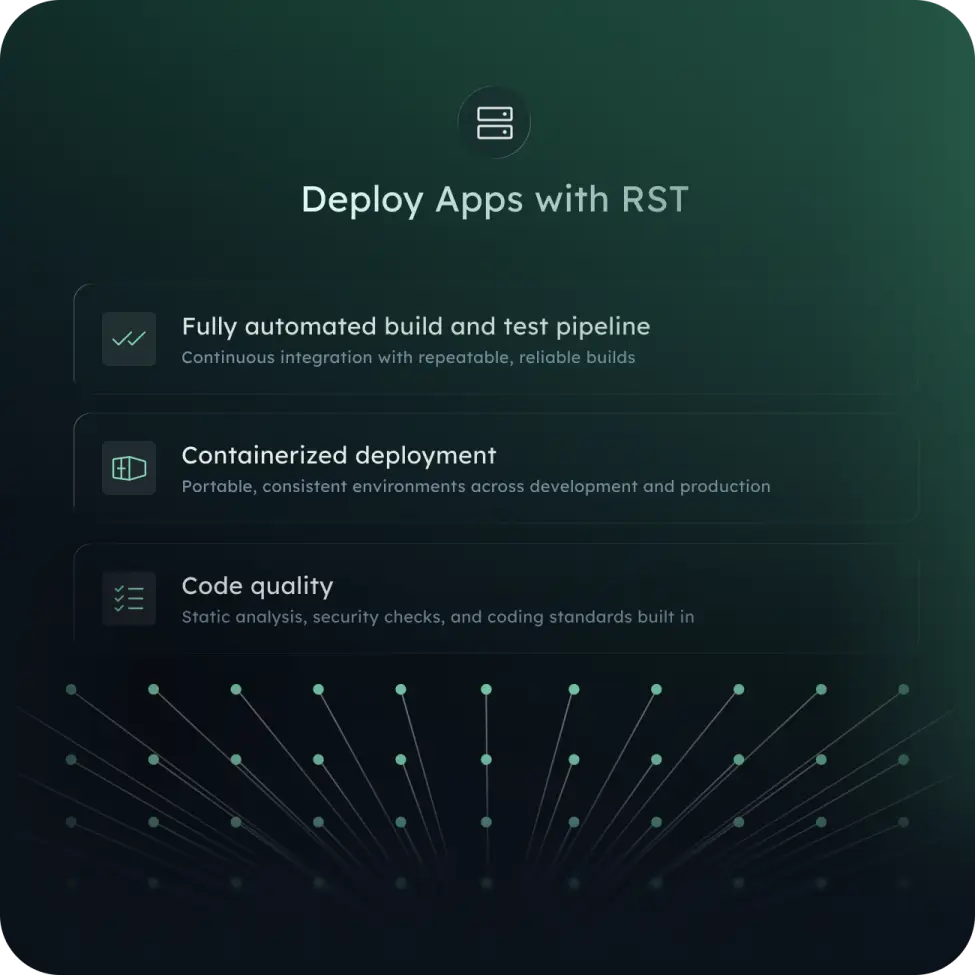
We eliminate the burden of manual, error-prone deployments from your engineering teams.
Accelerated releases. Guaranteed stability. Minimal operational risk.
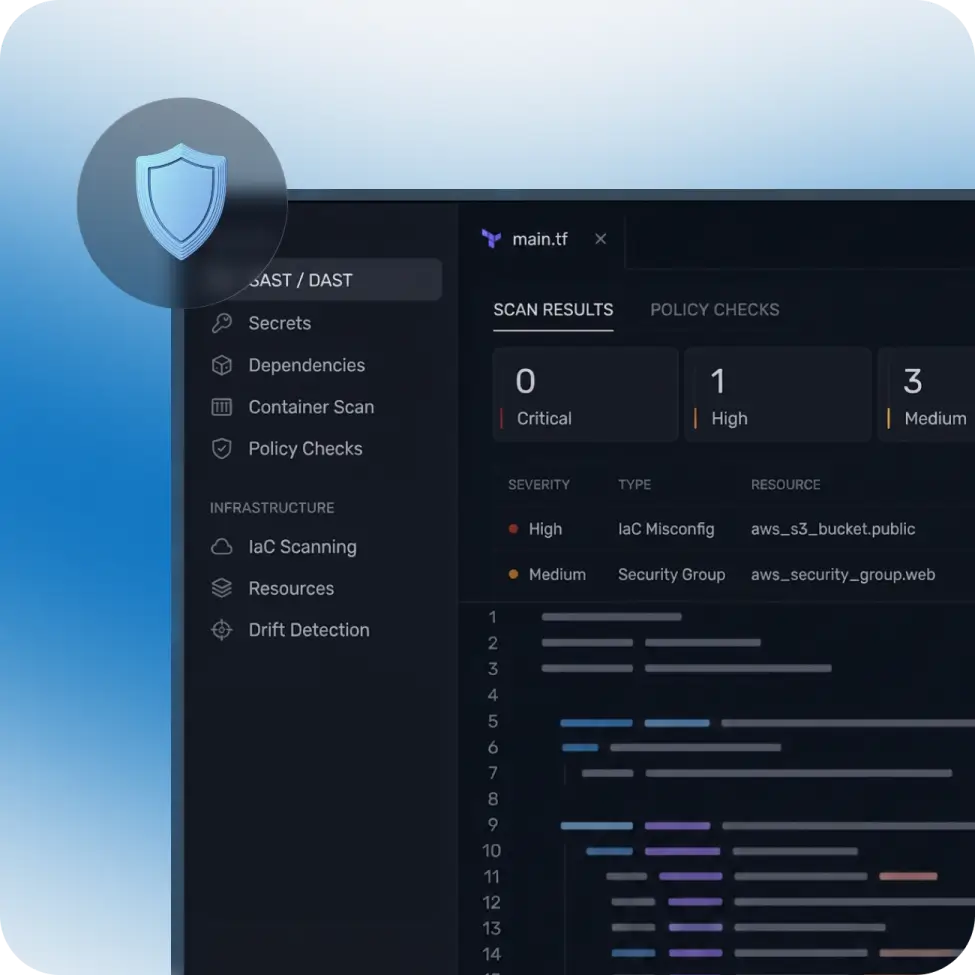
Shift-Left Security: Built into Every Line of Code
Automated SAST & DAST Scanning Built into the Core Pipeline
Early Detection. Lower Risk. Uncompromised Resilience.
Platform Engineering
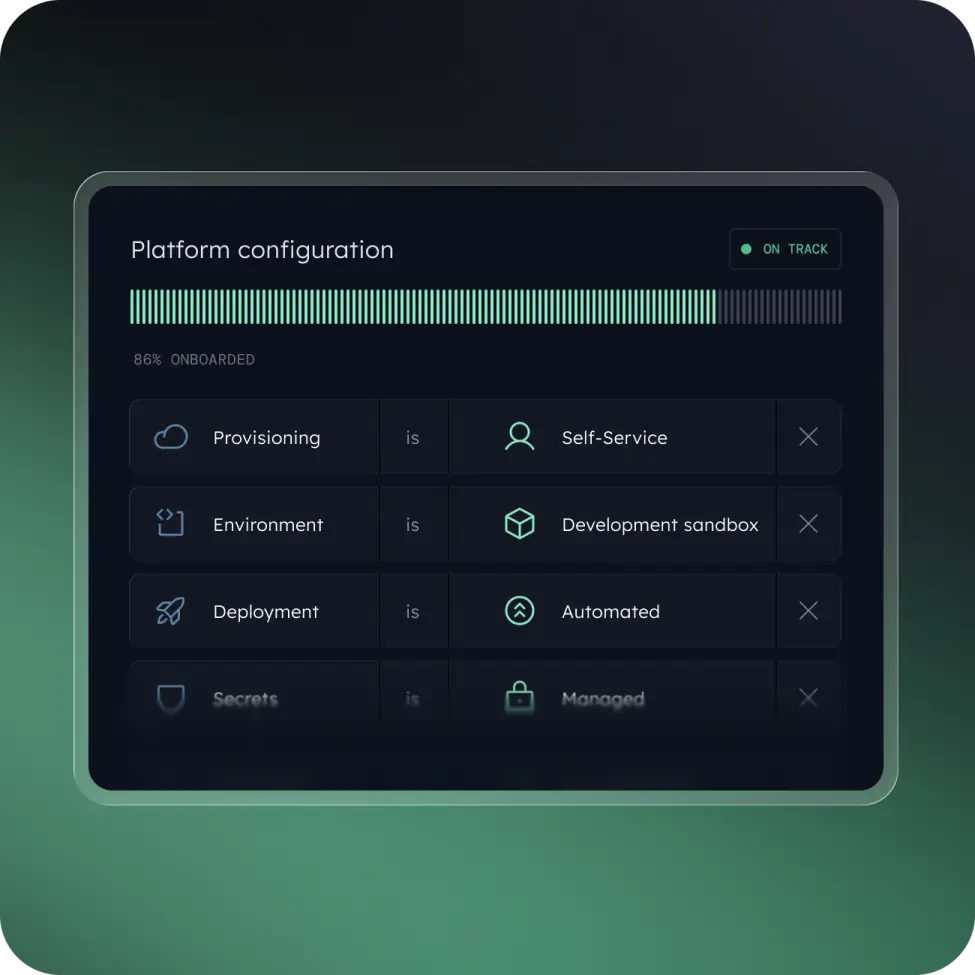
We build Internal Developer Platforms (IDP) that empower high-velocity engineering teams.
Minimized Operational Overhead. Maximized Engineering Velocity.
Modernization Starts with a Clear Assessment
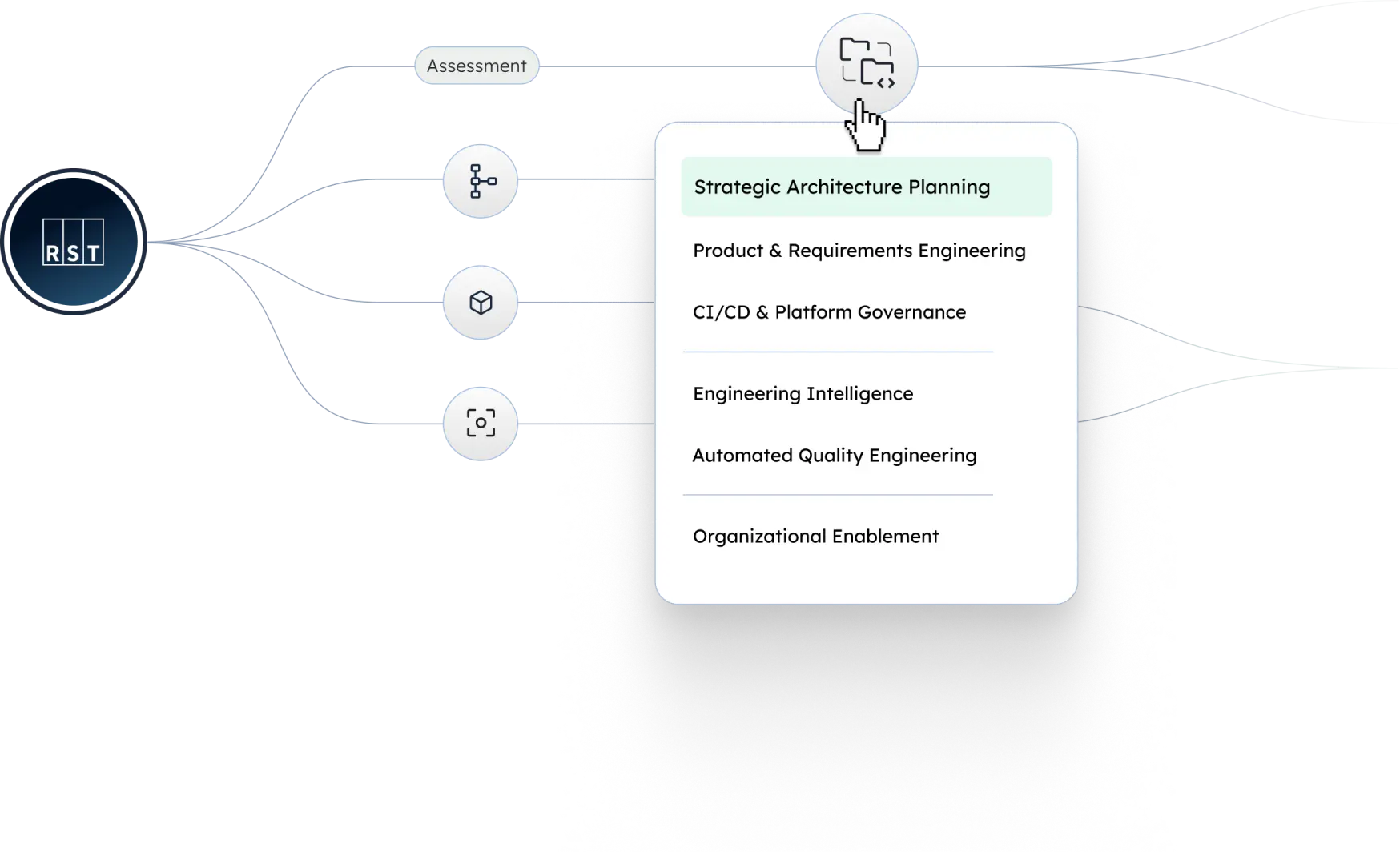
You don’t need to commit to a full-scale transformation on day one. Modernization can begin with a structured strategy call—or a targeted architectural audit of your core codebase.
Frequently Asked Questions
RST evaluates six modernization paths for legacy systems: Replatform, Repurchase, Rebuild, Retire, Rehost, and Refactor. The right path is chosen based on a system's specific operational constraints and financial goals rather than applied as a one-size-fits-all approach.
RST's framework runs in four phases: Assessment (analyzing architecture and defining a modernization blueprint), Proof of Value (validating the approach on a single production module), Phased Rollout (scaling validated patterns with zero operational downtime), and Adoption (transferring full code sovereignty while driving measurable business value).
RST decouples rigid monoliths into independent services connected through APIs, governed by strict API contracts, decoupled databases with zero shared access, and fault isolation between components. This eliminates single points of failure and lets frontend and backend delivery move independently, without one large, risky rewrite.
Shift-left security means automated SAST and DAST scanning is built directly into the core CI/CD pipeline, alongside DevSecOps integration, Infrastructure-as-Code security and drift detection, and continuous secret and dependency vulnerability scanning — catching risks early rather than at the end of a release cycle.
By combining enterprise agentic workflows with modern AI tooling, RST's engineering teams report productivity gains often exceeding 70% compared to traditional delivery, while senior engineers continue to validate business logic, security compliance, and architectural integrity on every change.